Understanding Decorative Garden Walls and Fences
Decorative garden walls and fences serve multiple purposes in landscape design, combining functionality with aesthetics. These outdoor walls and garden partitions not only create clear garden borders but also enhance privacy, security, and curb appeal. Common garden structures include stone walls, wooden fences, metal fences, and modular walls that complement various architectural styles and outdoor themes.
Garden walls can act as retaining walls to manage terraced landscapes or as boundary walls to clearly mark property lines. Decorative fences, on the other hand, often incorporate artistic panels, lattice panels, or wrought iron elements to add character and charm to any garden setting.
Benefits of Installing Decorative Walls and Fences
Installing decorative garden walls and fences offers numerous advantages beyond just marking boundaries. Key benefits include:
- Garden Privacy: Privacy fences and boundary walls create intimate garden spaces away from prying eyes, perfect for relaxation and entertaining. Garden Security: Robust garden fences deter intruders and provide a secure perimeter, especially when combined with garden gates and gate installation. Enhanced Garden Design: Walls and fences contribute to overall landscape design by defining garden zones, adding texture with wall finishes and cladding, and supporting vertical gardens or trellises. Property Value: Well-designed fencing solutions increase property appeal and market value while ensuring long-lasting durability.
These garden features integrate seamlessly into various garden layouts, making them practical and visually appealing additions.
Types of Decorative Garden Walls and Fences
Stone and Brick Walls
Stone walls and brick walls are classic choices for their durability and natural beauty. Retaining walls carved from stone or concrete help manage sloped terrains and create terraced walls for gardening. Stone veneer offers an elegant finish without the cost of full masonry construction. Advantages of these materials include weather resistance, low maintenance, and timeless appeal.
Wooden Fences and Panels
Wooden fences, including picket fences and solid fence panels, provide warmth and versatility. Fence rails and post caps enhance structure stability and aesthetic detail. Wood allows for easy stain or paint customization, allowing homeowners to tailor colors and finishes to match garden design. Wood is ideal for privacy fences and decorative garden borders but requires regular fence staining and painting to prevent weather damage.
Metal and Wrought Iron Fences
Metal fences, such as wrought iron gates and panels, offer strength and intricate styles for a sophisticated look. These fences come with durable fence hardware and can be powder-coated for rust resistance. Metal fences balance security and elegance, suitable for garden security and ornamental purposes alike. Fence styles vary from simple rails to elaborate scrollwork.
Vinyl and Modular Fences
Vinyl fences and modular walls provide low-maintenance solutions that withstand weathering without fading or cracking. These fencing materials come in pre-assembled panels for easy fence installation. Vinyl options support a range of styles and are ideal for homeowners seeking eco-friendly, sustainable garden walls with minimal upkeep.
Key Materials and Components for Installation
Successful installation of decorative garden walls and fences relies on quality materials and the right components:
- Fence Posts: Provide foundational support for fences; materials vary from wood and metal to concrete. Fence Rails and Panels: Connect posts and create the main structure; decorative panels add style. Fence Hardware: Includes screws, nails, brackets, and hinges necessary for gate installation and fence stability. Post Caps: Protect fence posts from moisture and add decorative flair. Lattice Panels: Used for garden partitions or supporting climbing plants, enhancing garden privacy and aesthetic.
Choosing compatible materials ensures longer lifespan and easier maintenance of your garden walls and fences.
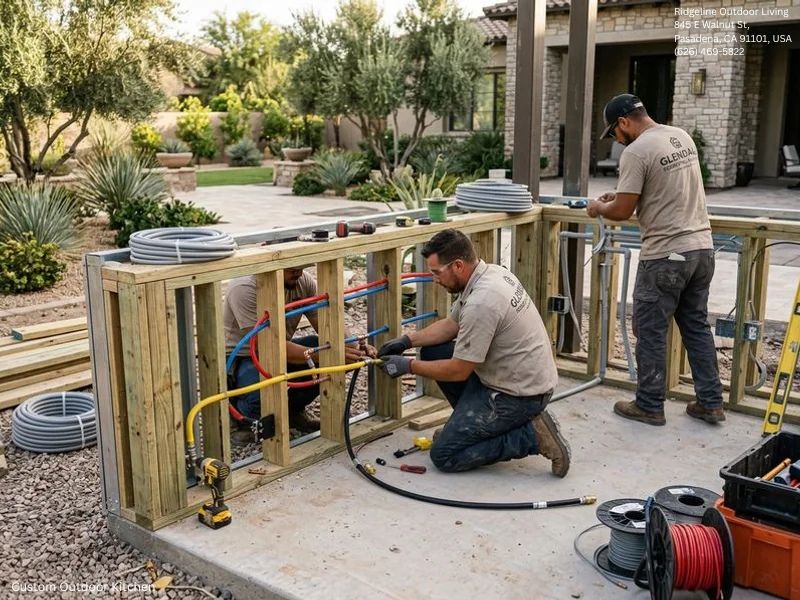
Step-by-Step Installation Process
Installing decorative garden walls and fences involves several essential steps, whether undertaken by DIY enthusiasts or fencing contractors:
- Site Preparation: Clear the area of debris, measure and mark fence or wall lines accurately. Digging Post Holes: For fence installation, dig holes deep enough to anchor fence posts firmly; typically 1/3 the length of the post. Setting Posts: Place posts in holes, ensure level alignment, and secure with concrete or gravel. Attaching Rails and Panels: Fix fence rails between posts, then attach panels or boards accordingly. Gate Installation: Install garden gates with appropriate hardware for smooth operation. Wall Construction: For stone, brick, or concrete walls, lay base foundation, then build up layers using mortar or adhesive materials where applicable. Finishing Touches: Add post caps, apply fence staining or painting, install wall lighting or decorative features.
Following manufacturer guidelines and safety standards during installation ensures the best results.
Design Tips for Integrating Walls and Fences into Your Landscape
Incorporate decorative walls and fences naturally into your garden design by considering these tips:
- Use garden edging to transition smoothly between lawn and fence lines. Combine vertical gardens or garden trellis with lattice panels to add greenery and soften hardscapes. Select wall finishes and cladding materials that complement existing architecture and landscape colors. Install garden lighting on walls or fence posts to highlight pathways and create ambiance. Coordinate garden gates with fence styles for cohesive outdoor entrances.
Thoughtful integration enhances visual flow and maximizes both garden privacy and functionality.
Maintenance and Care for Decorative Walls and Fences
Proper maintenance extends the life and appearance of your decorative garden walls and fences. Consider the following:
- Fence Staining and Painting: Regularly reapply protective coatings to wooden fences to prevent rot and sun damage. Cleaning: Remove dirt, mold, and mildew from all fence types to maintain appearance. Fence Repair: Address loose panels, damaged fence posts, or cracked masonry promptly to avoid larger issues. Rust Prevention: For metal fences, inspect for signs of rust and treat with protective paints or coatings. Seasonal Checks: Evaluate your fence and walls before and after harsh weather seasons for necessary upkeep.
Routine maintenance ensures your garden structures remain safe, secure, and attractive year-round.
Hiring Professionals vs. DIY Installation
Deciding between professional fencing contractors and Hardscaping Pasadena ridgelineoutdoorliving.com DIY fence installation depends on several factors:
- Complexity: Wall construction and large-scale fence projects benefit from expert knowledge. Cost: DIY can save costs but requires tools, time, and skill; professionals offer efficiency and warranty-backed services. Permits and Regulations: Professionals are familiar with local permits and building codes. Customization: Contractors can accommodate custom fence designs and materials.
Consultation with fencing experts helps determine the most suitable approach based on budget, timeframe, and desired outcomes.
Frequently Asked Questions About Garden Wall and Fence Installation
What are the best materials for decorative garden walls and fences?
Stone, brick, wood, metal (especially wrought iron), vinyl, and concrete are top choices. Each offers unique benefits in durability, aesthetics, and maintenance.
How long does it typically take to install a decorative garden wall or fence?
Installation times vary by material and project size but generally range from a few days for vinyl fences to several weeks for stone or brick walls.
Can I install a decorative fence myself or should I hire a professional?
DIY is feasible for simple wooden or vinyl fences if you have basic carpentry skills. Complex walls or customized designs usually require professional installation.
What maintenance is required for different types of garden walls and fences?
Wood fences need staining or painting every few years, metal fences require rust prevention, and masonry walls benefit from occasional cleaning and repair of cracks.
Are permits required for installing garden walls and fences?
Permits depend on local regulations, fence height, and proximity to property lines. Contact your local municipality before installation.
How do decorative garden walls enhance privacy and security?
They create physical barriers that block views and deter unauthorized access, especially when combined with secure gates and sturdy materials.
What are the cost factors involved in installing decorative fences?
Material type, fence length, labor, site preparation, and additional features like gates and lighting influence the total cost.
How do I choose the right fence style for my garden design?
Consider your property's architecture, desired privacy level, maintenance preferences, and budget to select materials and styles that complement your landscape.
What are the most durable materials for outdoor walls and fences?
Stone, brick, concrete, metal (wrought iron or aluminum), and high-quality vinyl offer excellent durability and longevity.
Can decorative fencing be customized to fit unique garden layouts?
Yes, many fencing materials and styles are adaptable. Custom fence designs and modular wall systems allow for tailored solutions to suit irregular spaces.
ConclusionInstallation of decorative garden walls and fences is a powerful way to transform your outdoor space, offering enhanced privacy, security, and aesthetic appeal. By understanding the various types of materials, installation procedures, and design possibilities, homeowners and landscapers can make informed decisions that align with their garden vision and maintenance capabilities. Whether you choose DIY methods or professional fencing contractors, investing in quality materials and thoughtful planning will ensure lasting beauty and function for years to come. Ready to elevate your garden? Explore the diverse fencing styles and start your installation project today!